Alexander Fiske-Harrison: Author, Bull-Runner and Student of the Bulls
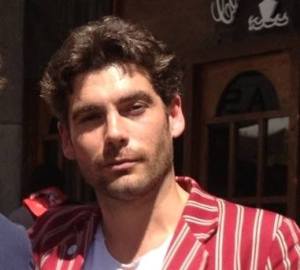
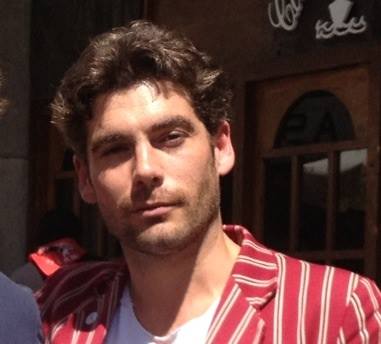
Alexander Fiske-Harrison is a British writer, journalist and conservationist who has also spent years running with bulls and fighting them as an amateur. Born and raised in England, he moved to Spain in his thirties. Academically he studied large mammal zoology and animal behaviour at the University of Oxford, then went on to postgraduate work on the foundations of biology and animal consciousness at the University of London.
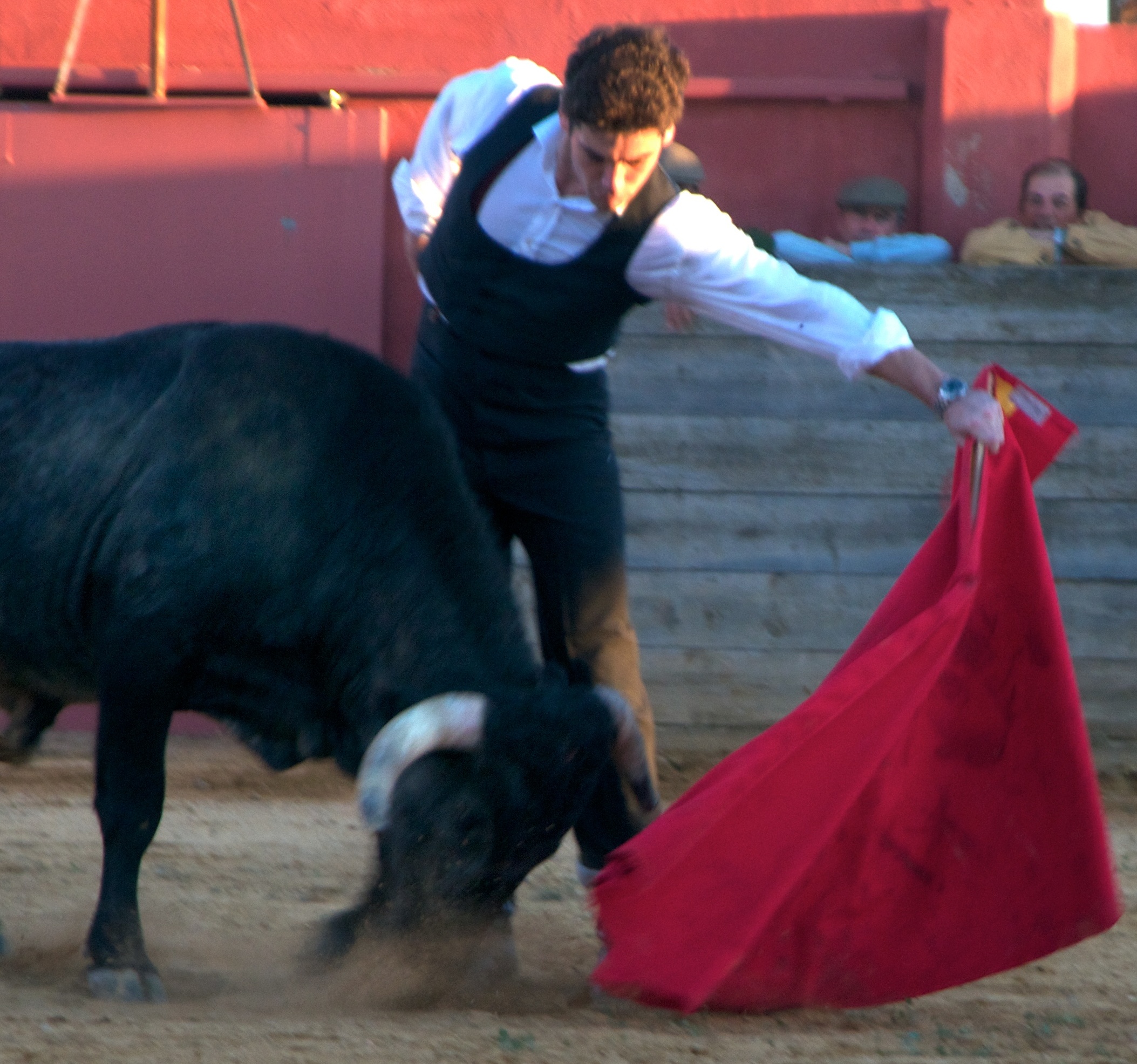
To research his book he trained as a bullfighter in Andalusia, working alongside matadors including Juan José Padilla, Cayetano Rivera Ordóñez and Eduardo Dávila Miura. The book that came out of it, Into The Arena: The World Of The Spanish Bullfight, made the shortlist for the William Hill Sports Book Of The Year Award 2011. His story set in 1950s Paris and Pamplona, Les Invincibles, was shortlisted for The Hemingway Prize 2016 in France. In Spain he has lectured at the Foundation of Taurine Studies and the University of Seville, and has spoken for the Spanish Ambassador to the United Kingdom.


Reporting and Broadcasting on the Bullfighting World
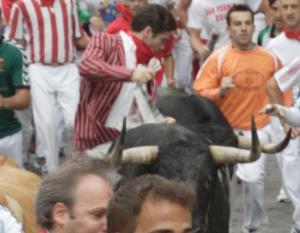
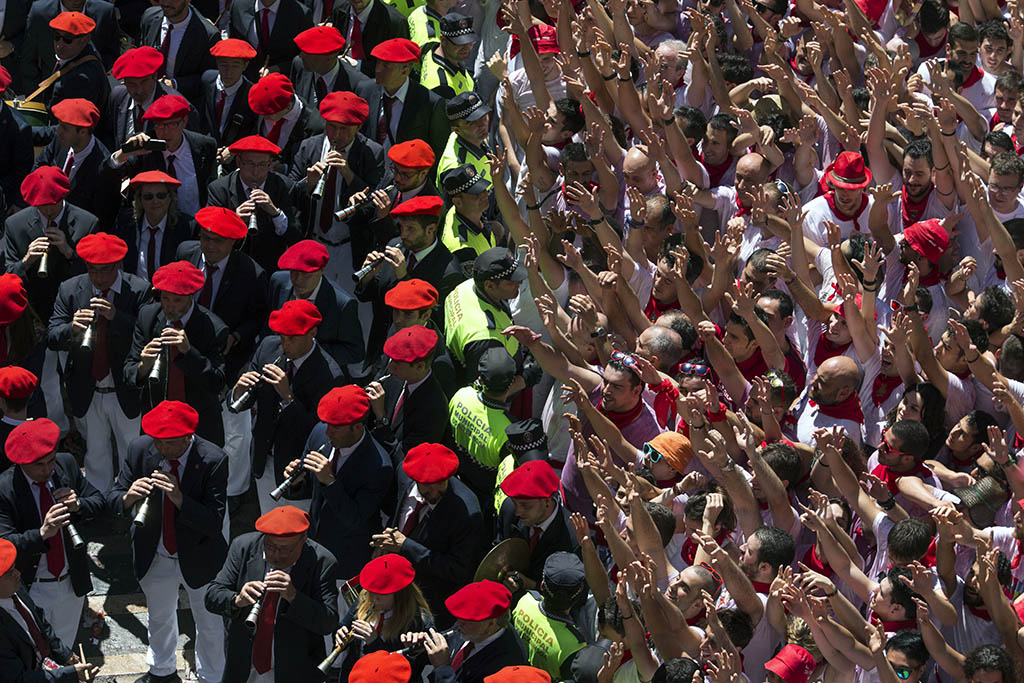
Fiske-Harrison has covered the bullfighting world in print and on air for leading national and international outlets, including The Times, The New York Times, Newsweek, GQ, the BBC, CNN and the Discovery Channel. His first Pamplona bull run came in 2009, and with the exception of 2010 — a year he spent fighting bulls in Andalusia — he has joined the San Fermín encierros every year since, along with runs in other Spanish towns such as San Sebastián de los Reyes (Madrid), Cuéllar (Castile and León), Tafalla and Falces (Navarre).
View the full portrait · Portrait by Nicolás Haro · El Toro Bravo photograph · Arena photograph · Cuéllar bull · Encierro at the curve · Bull-run image · Jason Gilbert photograph · Historic illustration · Pamplona runners · Pamplona scene · Fireworks · Sunlight in the callejón

El Toro Bravo: A Myth That Lives
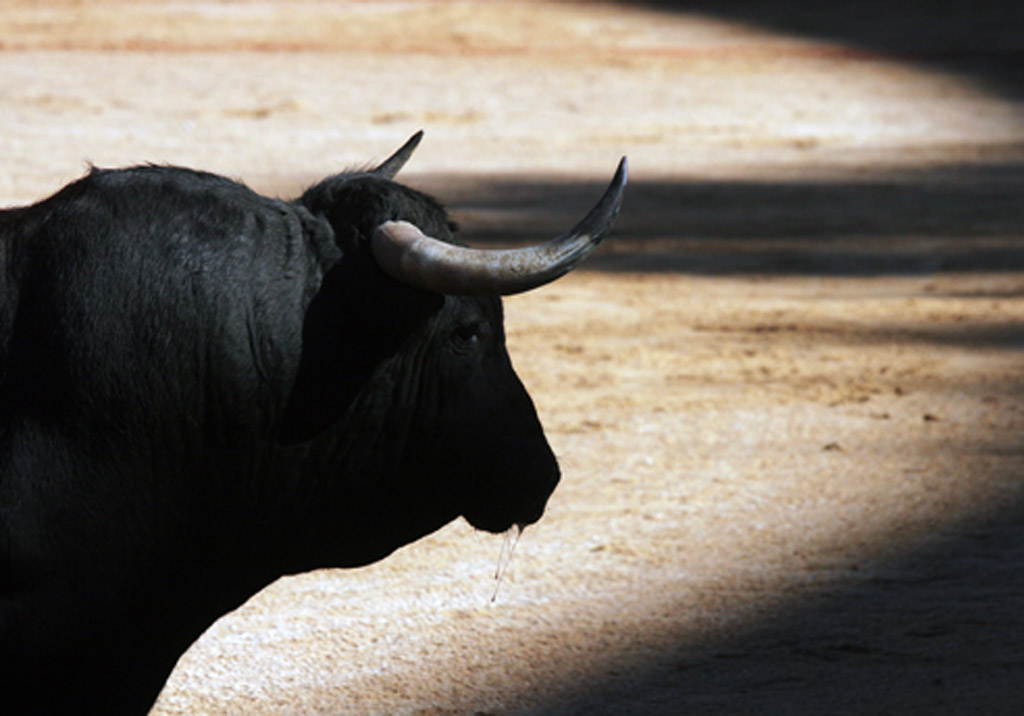
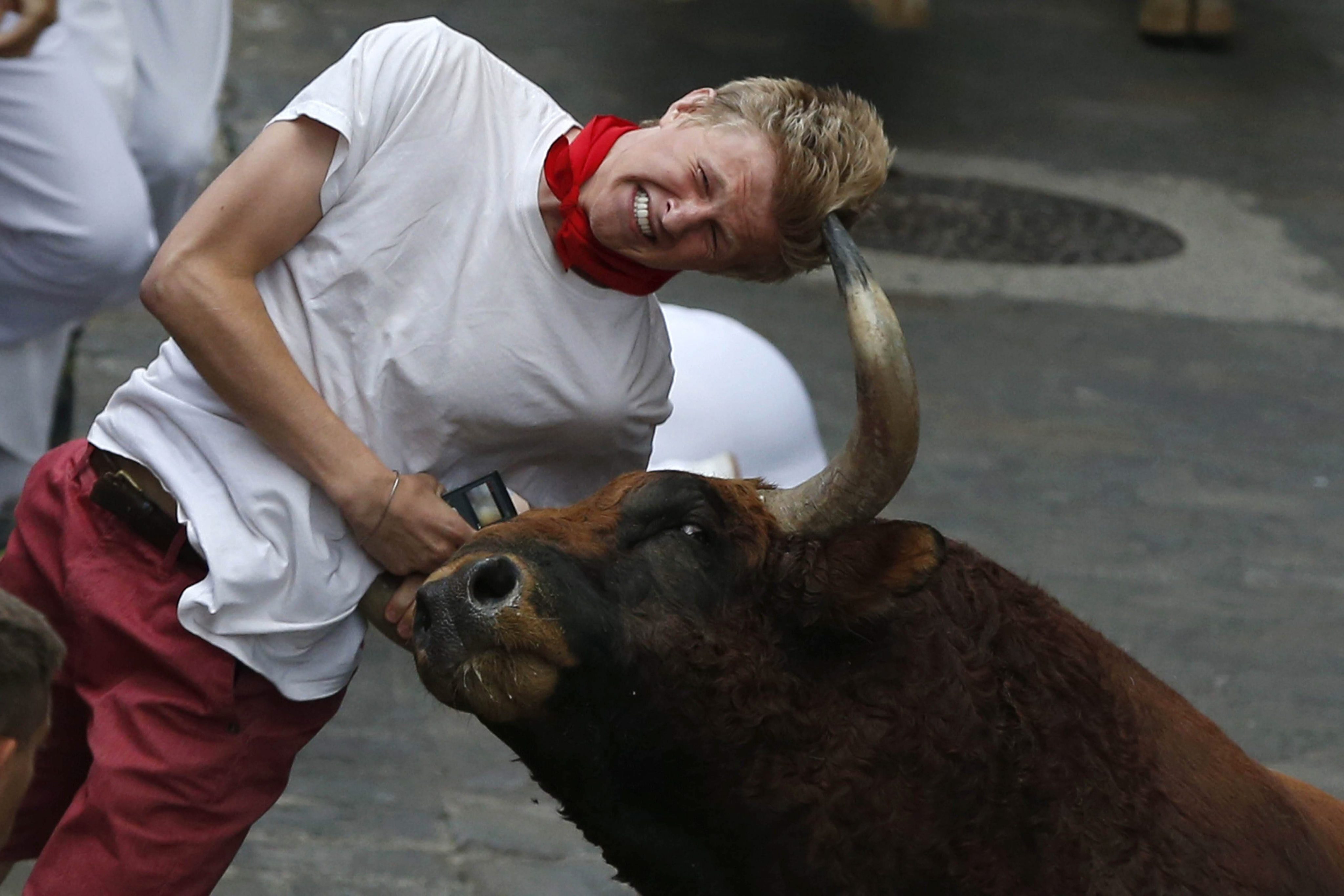
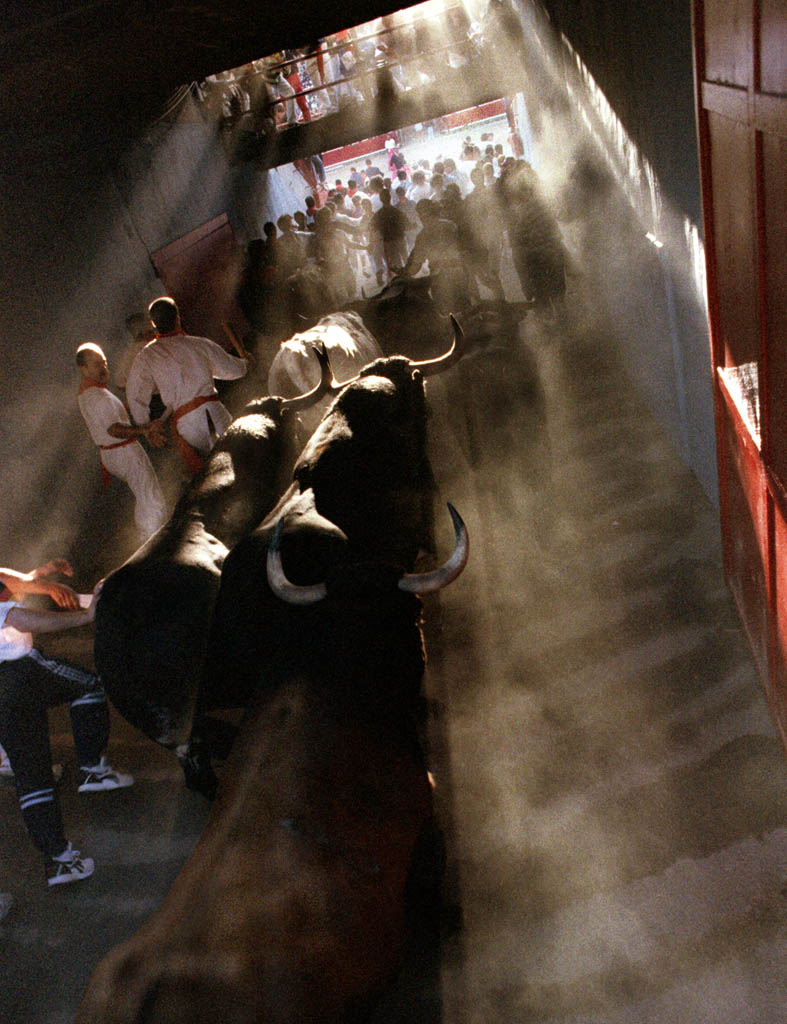
“It’s when the dreams start, the nightmares, the ones with black shadows, the ones with horns. That’s when you know it’s coming; that’s when you know it’s really begun.” Runners pass these lines among themselves — muttered over restaurant tables, whispered at bars, set down in letters, typed into emails and posted in runners’ groups online. The talk of bulls goes on all year, yet as the spring sun climbs, a cold thread of anxiety, trepidation and dread slips into our voices. Somewhere deep in the unconscious, the vernal equinox stirs dark things: memories, fears, the ghosts of bulls we have run beside and nearly died beside.
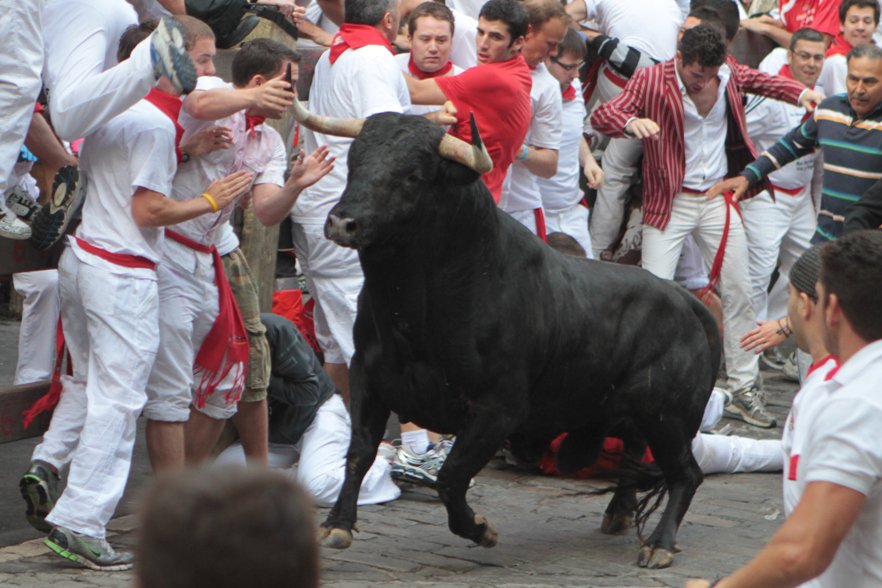
On every day I have run in Pamplona — the greatest and most famous encierro of all — my fear for myself has been equalled by my fear for the people around me. That is why this book exists. Across those forty-odd San Fermín encierros (as of 2016) I have been struck again and again by how many newcomers seem to assume the animals are not really dangerous, perhaps even tame — otherwise, how would the event be permitted? Who would turn unwitting tourists loose in a street with half-ton horned animals that have never seen a man on the ground before? The answer, to borrow from The Go-Between, is that Spain is a foreign country; they do things differently there.
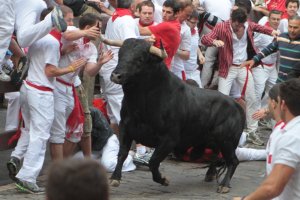
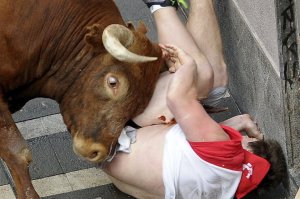
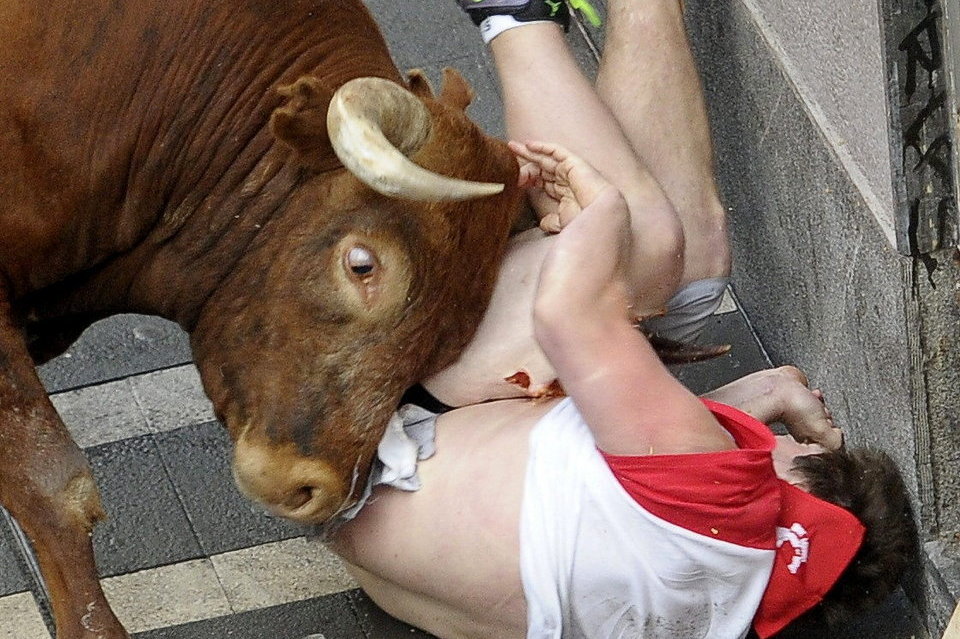
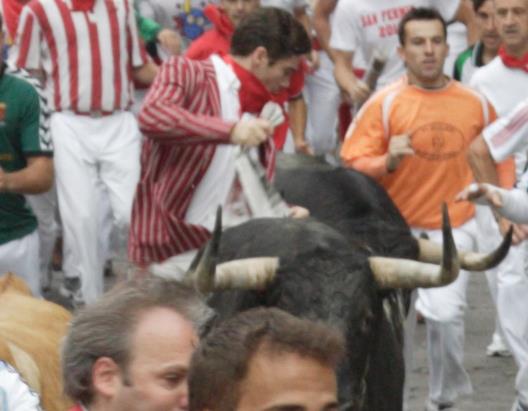
In my fourth encierro, in Pamplona in 2011, a panicked crush of bodies pinned me against the fence and I could not move as a four-year-old, 585kg (1,290lbs/92 stone) Spanish fighting bull came straight at me. That day the bull, Empleado, from the notoriously dangerous Cebado Gago ranch, picked the man next to me instead. He went to hospital and I went to Bar Txoko — and it was the bull that decided who went where. That day made me as a bull-runner, and I have not run the same way since.
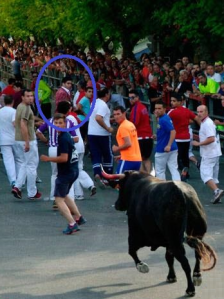
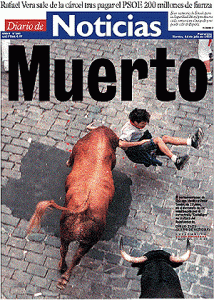
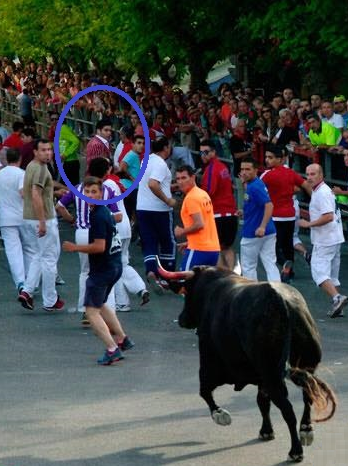
So in 2015 in Cuéllar — the Old Castile town that hosts the most ancient encierro in the world — I kept a healthy distance from a bull whose left horn was smeared with the blood of a man he had just killed. On video the killing looks like a glancing blow: the bull runs past and dips its head as if bowing in respect, yet in a motion too quick for the human eye it drove its horn up beneath the man’s ribs and burst his heart inside his chest. All told, fifteen people died in bull-running events across Spain that year.
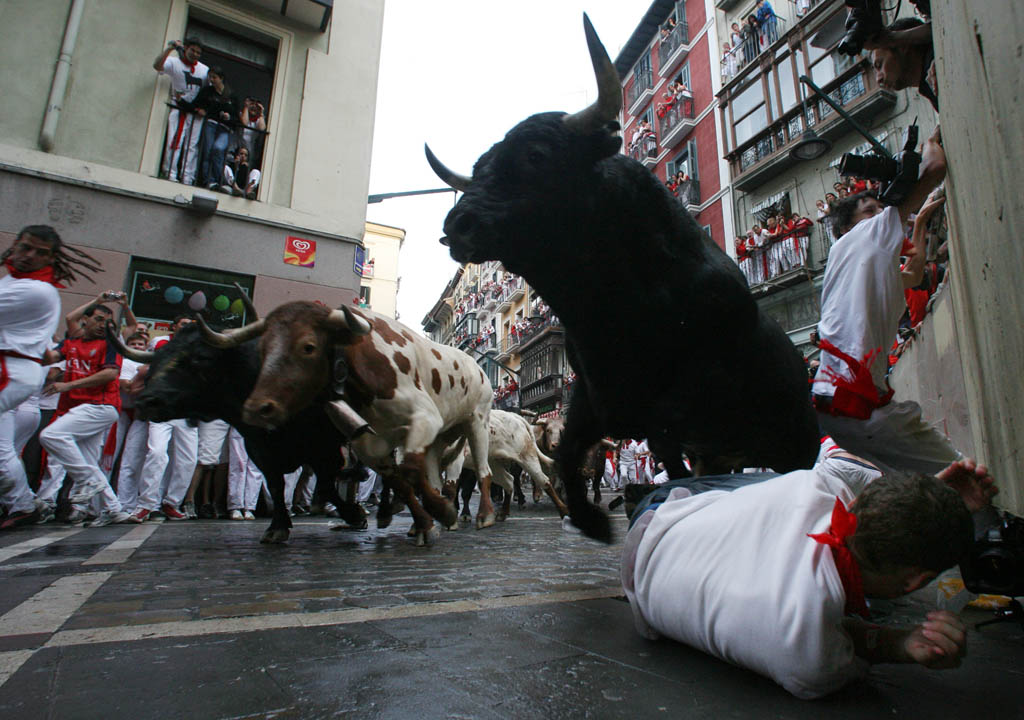
During an encierro the streets themselves turn into a plaza de toros, a bull ring. In earlier times the run and the fight were almost impossible to tell apart: the encierro would often finish in the town square, sealed off with wagons or improvised barricades, and a capea — an informal bullfight — would follow. In Pamplona, where emergency services are on standby and medical expertise is that of a major city rather than a village, only fifteen deaths have been recorded since records began in the 1920s. That is why, unless you know what you are doing — and above all what to do when things go wrong — you needlessly and hugely raise your chances of leaving on a stretcher if you are lucky, and in a body bag if you are not.
The Streets Are Not Ours
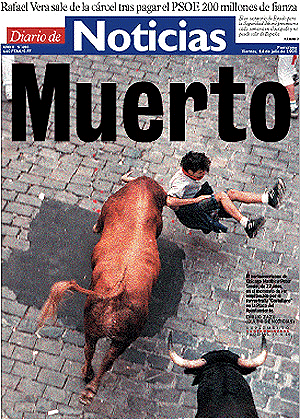
The first death on record was Esteban Domeño Laborra, from Sangüesa (which also holds an encierro), in 1924 — an account of it appears in The Sun Also Rises, since Hemingway was there that year. The most recent was Daniel Jimeno Romero, from Alcalá de Henares (which also holds an encierro), in 2009 — an account appears in Into The Arena, as I was there that year. It is worth noting that between fifteen hundred and three thousand people run in each of the eight daily encierros, and with only two fatalities this century, Pamplona’s fatality rate works out at roughly 1 in 150,000 runs. That is about the same as the fatality rate for jumping out of an aeroplane: according to the United States Parachute Association, of 3.5 million jumps in 2015 there were 21 fatal accidents. Yet there is one great difference between skydiving and bull-running: before their first parachute jump, people are invariably taught…
Read the Editor’s Introduction More by the Author Share This Post
Browse the Tags
- 7del7
- Adolfo
- Alexander
- Amazon
- Ayuntiamento
- Beatrice Welles
- Belcher
- Book
- Bull
- Bull fight
- Bull fighter
- Bull fighting
- Bull run
- Bull runner
- Bull running
- Bullfight
- Bullfighter
- Bullfighting
- Bullrun
- Bullrunning
- Bullrunnner
- Bulls
- Bulls of Pamplona
- Buy
- Calle
- Callejón
- Cayetano
- Clancey
- Corredor
- Corrida
- Cuéllar
- Curva
- De los Toros
- Dennis Clancey
- Distler
- Ebook
- Eguide
- Encierro
- Ernest Hemingway
- Estafeta
- Feria
- Fiesta
- Fiesta: How to Survive the Bulls of Pamplona
- Fighting bulls
Running with bulls is a craft learned over many seasons, and the pages gathered under this tag follow that learning — from the first nervous San Fermín mornings to the older encierros of Cuéllar and Navarre. Alongside the danger, they trace the writing it has inspired, from Hemingway's Pamplona to Fiske-Harrison's own accounts of the arena.